
Blog
Kevlar Protective Gear Guide: Vests, Helmets, Gloves & Body Armor

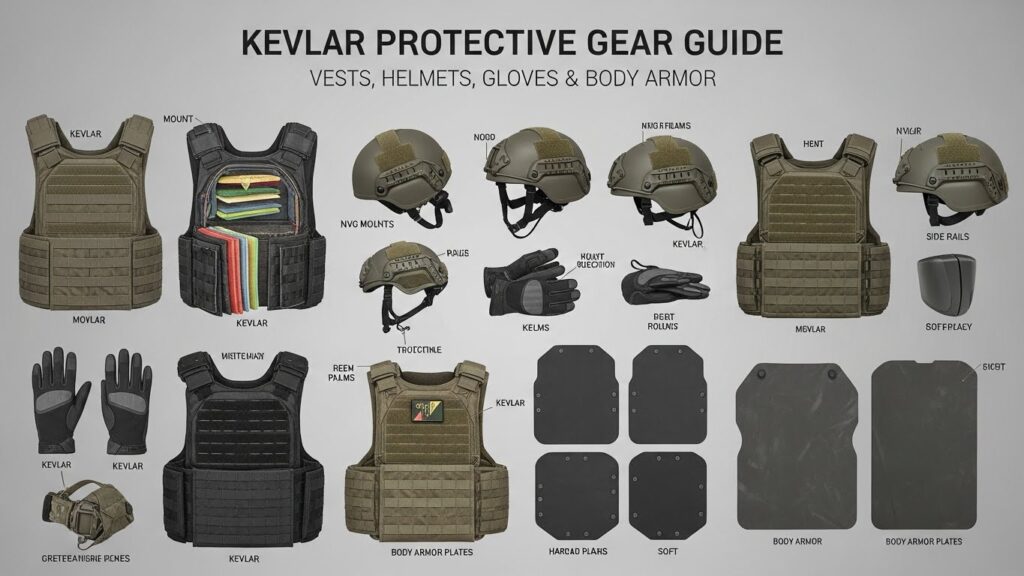
In today’s world, personal safety and protective equipment have become essential across multiple industries, sports, and everyday activities. From motorcyclists navigating busy highways to security professionals operating in high-risk environments, the demand for advanced protective materials continues to grow. At the heart of modern protection technology lies kevlar, a revolutionary fiber known for its exceptional strength, heat resistance, and lightweight performance. This guide explores how kevlar is used in protective gear such as vests, helmets, gloves, and body armor, and why it remains one of the most trusted materials in safety equipment worldwide.
Understanding Kevlar and Its Protective Properties
Kevlar is a high-performance aramid fiber originally developed for applications requiring extreme durability. Its tensile strength is several times higher than steel when compared by weight, making it ideal for protective equipment that must absorb impact without adding excessive bulk. Beyond strength, kevlar fabric offers resistance to heat, abrasion, and cutting forces, which explains its widespread adoption in military, law enforcement, industrial, and motorcycle safety gear.
The molecular structure of en kevlar allows energy from impact or friction to disperse across the fabric rather than concentrate in a single area. This characteristic is critical for preventing penetration injuries and minimizing trauma, especially in high-speed accidents or hostile environments.
Kevlar Vests and Body Armor Protection
One of the most recognizable applications of kevlar is in personal armor. A kevlar vest is designed to protect the torso from ballistic threats, sharp objects, and blunt force impacts. These vests are commonly worn by security personnel and private individuals seeking discreet protection.
A kevlar protective vest differs from traditional armor by offering flexibility and comfort while maintaining high levels of resistance. Unlike rigid metal plates, kevlar-based armor adapts to body movement, making it suitable for extended wear. Modern kevlar body armor often combines layered kevlar sheets with advanced composites to improve impact absorption while reducing overall weight.
Kevlar Helmets and Head Protection
Head protection is critical in both tactical and civilian environments. A kevlar helmet provides superior protection against impact, fragmentation, and penetration without the excessive weight associated with older materials. These helmets are widely used by military units, law enforcement agencies, and motorcyclists who prioritize advanced safety standards.
The integration of carbon kevlar in helmet shells further enhances durability and impact resistance. This hybrid material combines the rigidity of carbon fiber with the flexibility of kevlar, resulting in helmets that offer both structural strength and energy dispersion.
Kevlar Gloves and Hand Safety
Hands are among the most vulnerable parts of the body during accidents or industrial work. Kevlar gloves are specifically engineered to protect against cuts, abrasions, heat, and friction while maintaining dexterity. Professionals working in mechanical, construction, or security roles often rely on gloves with kevlar to reduce injury risks without sacrificing grip or control.
In motorcycle riding, kevlar-reinforced gloves play a crucial role in preventing road rash and fractures during falls. The lightweight nature of kevlar ensures comfort even during long rides or extended work hours.
Kevlar Sleeves and Targeted Protection
For individuals who need protection in specific areas, kevlar sleeves offer an effective solution. These sleeves are commonly used in industrial environments where forearm injuries are common. They provide cut resistance and heat protection while allowing freedom of movement.
Kevlar sleeves are also popular among motorcyclists and athletes seeking additional protection without wearing full-body armor. The adaptability of kevlar fabric makes it suitable for layered protection strategies.
Kevlar Fabric Types and Innovations
The versatility of kevlar fabric lies in its ability to be engineered for different purposes. Carbon kevlar blends enhance stiffness and impact resistance, while fluff kevlar focuses on energy absorption and padding. Each variation serves a specific role in protective gear manufacturing.
These fabric innovations have allowed manufacturers to design gear that meets evolving safety standards while improving comfort and wearability. As technology advances, kevlar continues to adapt to new protective challenges.
Kevlar in Motorcycle Safety Gear
Motorcyclists face unique safety risks, making protective clothing essential. Kevlar has transformed motorcycle apparel by offering abrasion resistance comparable to leather without sacrificing flexibility. Kevlar jeans and reinforced riding pants provide discreet protection for everyday riders who prefer casual aesthetics without compromising safety.
Kevlar pants and kevlar motorcycle pants are specifically designed to withstand high-speed slides, reducing the severity of injuries. These garments often integrate armor panels, making them an integral part of protective motorbike clothing systems.
Motorcycle Riding Pants and Armor Integration
Modern motorcycle apparel incorporates kevlar into multiple layers for enhanced safety. Motorcycle armor pants and motorcycle riding jeans utilize kevlar lining in high-impact zones such as hips, knees, and thighs. This strategic placement maximizes protection while maintaining comfort.
Riders seeking premium protection often choose motorcycle riding pants kevlar in USA, where safety standards and material innovation are continuously evolving. The availability of riding pants in USA and riding trouser in USA reflects growing awareness of motorcycle safety culture.
Kevlar Riding Gear in the United States Market
The demand for kevlar-based riding gear has grown significantly in the U.S. market. Products such as kevlar pants in USA, kevlar motorcycle pants in USA, and kevlar riding pants in USA are widely used by commuters and touring riders alike.
Manufacturers focus on blending protection with style, ensuring riders do not have to compromise aesthetics for safety. This trend has elevated motorcycle safety clothes in USA to a new standard, where kevlar is considered a baseline material rather than an upgrade.
Meta Armor and Professional Kevlar-Based Riding Solutions
Meta Armor has emerged as a trusted name in advanced protective riding apparel, offering premium solutions built around kevlar technology. The company specializes in high-performance motorcycle wear, including riding pants, riding trouser, and reinforced kevlar jeans engineered for real-world riding conditions.
MetaArmor designs kevlar motorcycle pants and motorcycle armor pants that combine abrasion resistance, impact protection, and ergonomic comfort. Their range of protective motorbike clothing and motorcycle riding jeans reflects a commitment to rider safety without sacrificing style. With growing demand for motorcycle riding pants kevlar in USA, MetaArmor continues to deliver protective solutions that meet modern safety expectations and riding lifestyles.
Kevlar vs Traditional Protective Materials
Compared to traditional materials like leather, nylon, or steel-reinforced fabrics, kevlar offers unmatched versatility. It delivers superior abrasion resistance while remaining lightweight and breathable. This balance is why kevlar is increasingly preferred in both tactical and civilian protective gear.
Leather, while durable, lacks the cut resistance and heat stability of kevlar. Synthetic alternatives may be lighter but cannot match kevlar’s impact absorption. As a result, kevlar-based gear provides a superior blend of protection and comfort.
Care and Maintenance of Kevlar Gear
Proper maintenance ensures the longevity of kevlar-based equipment. While kevlar fabric is highly durable, it should be cleaned according to manufacturer guidelines to preserve its protective properties. Excessive heat, harsh chemicals, or improper washing can degrade fiber strength over time.
Regular inspection of seams, panels, and protective zones is recommended, especially for motorcycle gear exposed to frequent stress. With proper care, kevlar products can provide reliable protection for years.
Future of Kevlar Protective Technology
As safety standards evolve, kevlar continues to adapt through innovation. New weaving techniques, hybrid composites, and smart textiles are expanding its applications. From advanced kevlar body armor to next-generation riding apparel, the future of kevlar lies in enhanced performance with reduced weight.
Research into sustainability and recyclability is also shaping the next phase of kevlar development, ensuring that protective gear remains both effective and environmentally responsible.
Final Thoughts on Kevlar Protective Gear
From kevlar vest designs used in security operations to kevlar gloves, helmets, and motorcycle apparel, kevlar remains a cornerstone of modern protective technology. Its unmatched strength, flexibility, and adaptability make it suitable for a wide range of applications, including motorcycle safety clothes in USA and professional riding gear worldwide.
Investing in kevlar-based protection is not just about meeting safety standards; it is about enhancing confidence, comfort, and long-term security. As innovation continues, kevlar will remain at the forefront of protective gear, setting benchmarks for safety and performance across industries.